
Core Puzzle Mechanics
Players interact with a grid of tiles, tapping or clicking to slide a selected piece into an adjacent empty space. The objective is to rearrange these tiles so they form an unbroken route from a small character to a designated target. Each move shifts the layout, requiring players to think several steps ahead. The simplicity of the controls makes it easy for anyone to pick up, but the puzzles demand careful reasoning.
Obstacle Variety
As the puzzles progress, new elements appear that complicate path construction. Gaps in the grid force players to find creative ways to bridge sections. Moving hazards shift position over time, adding a layer of timing to the planning. Some tiles may be locked and require collecting a key item to unlock, while others can be removed using a tool found in the level. These obstacles never involve graphic content, keeping the experience suitable for all ages.
Visual Style and Atmosphere
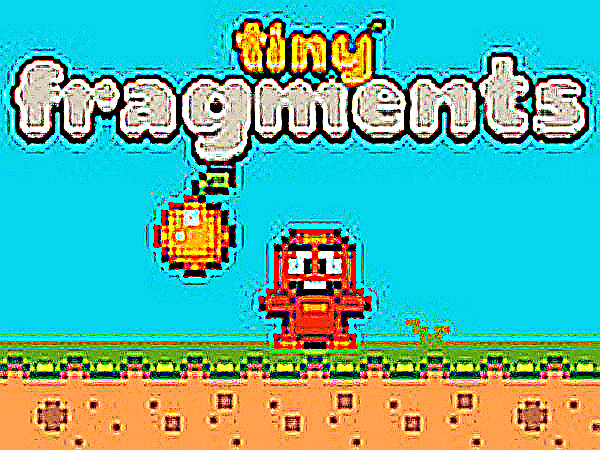
The game uses bright, cheerful colors and clean, simple graphics. The character is designed to be friendly and approachable. The overall look creates a calm, inviting environment that encourages focused problem-solving. There are no distracting animations or loud effects, allowing players to concentrate on the logic puzzles.
Progression and Difficulty Curve
Levels are arranged in a sequence that gradually introduces new concepts. Early puzzles teach the basic sliding mechanic with few obstacles. Later stages combine multiple elements, such as locked tiles and moving hazards, to increase complexity. Each puzzle is compact and can typically be solved in a few minutes, making the game suitable for short sessions. A progression system may reward players for completing levels, providing a sense of accomplishment.
Strategic Thinking Approaches
Successful players often study the entire board before making the first move. Identifying which tiles are blocking the path and determining the correct order of moves is essential. Working backward from the goal to the start can reveal the necessary sequence. Using special items like keys and tools at the right moment is critical, as they are often limited. Regular practice helps improve pattern recognition and planning skills.


Player Comments
0 comments